Dance Education Laboratory
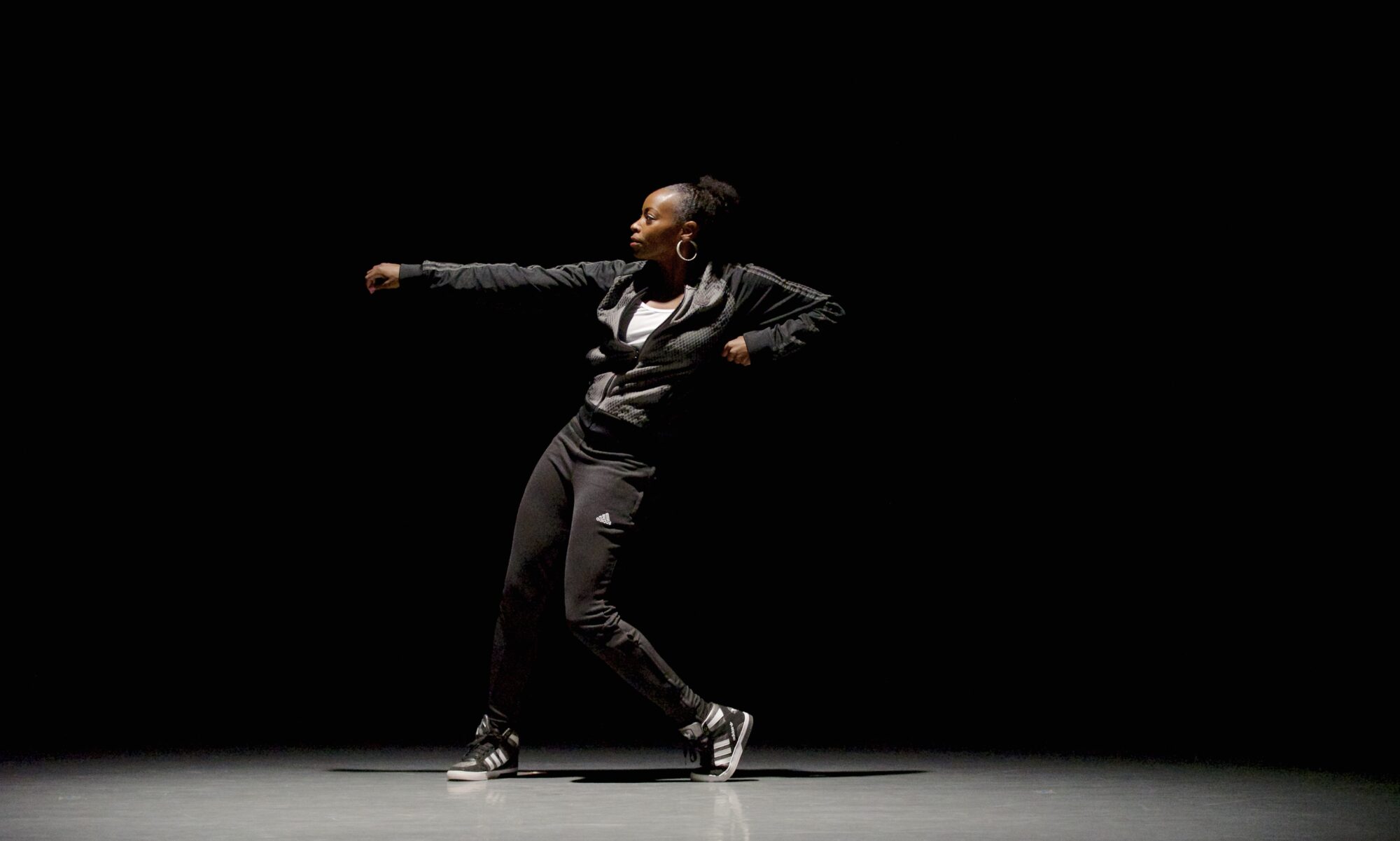
As a nationally recognized organization committed to innovative dance education, the Dance Education Laboratory (DEL) has invited me to contribute to their programs based on my work in Hip-Hop, House, and Street and Club dance pedagogy.
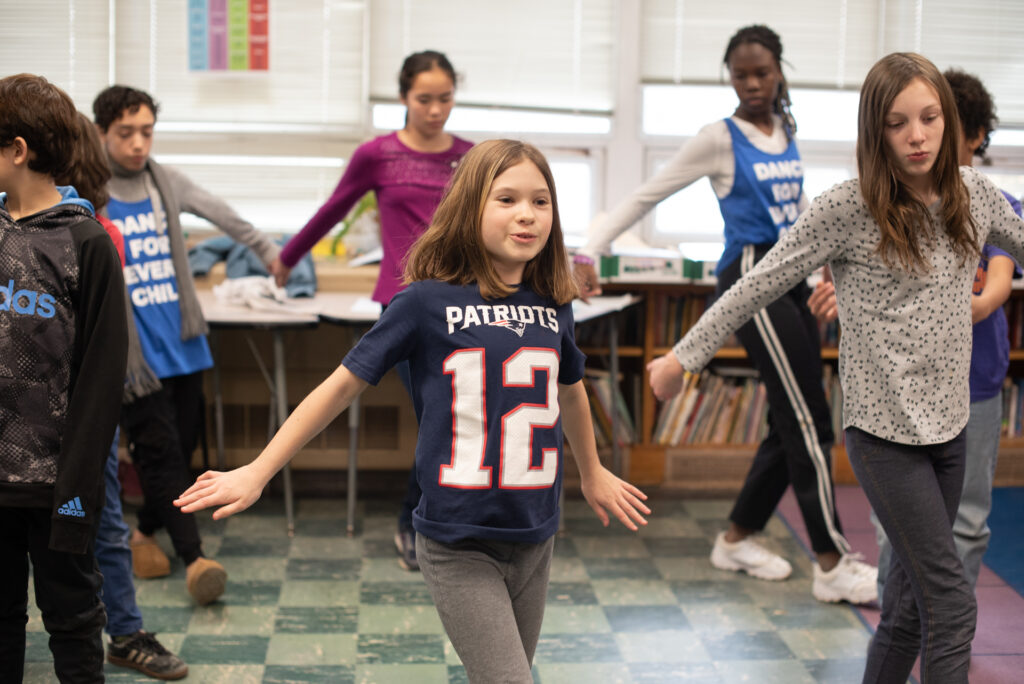
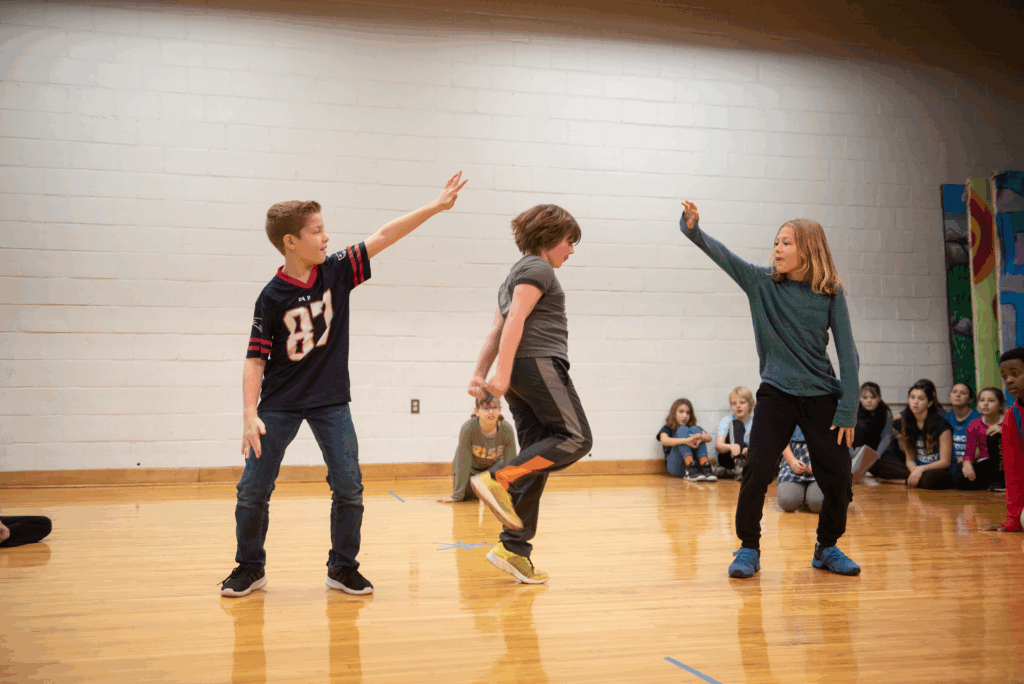
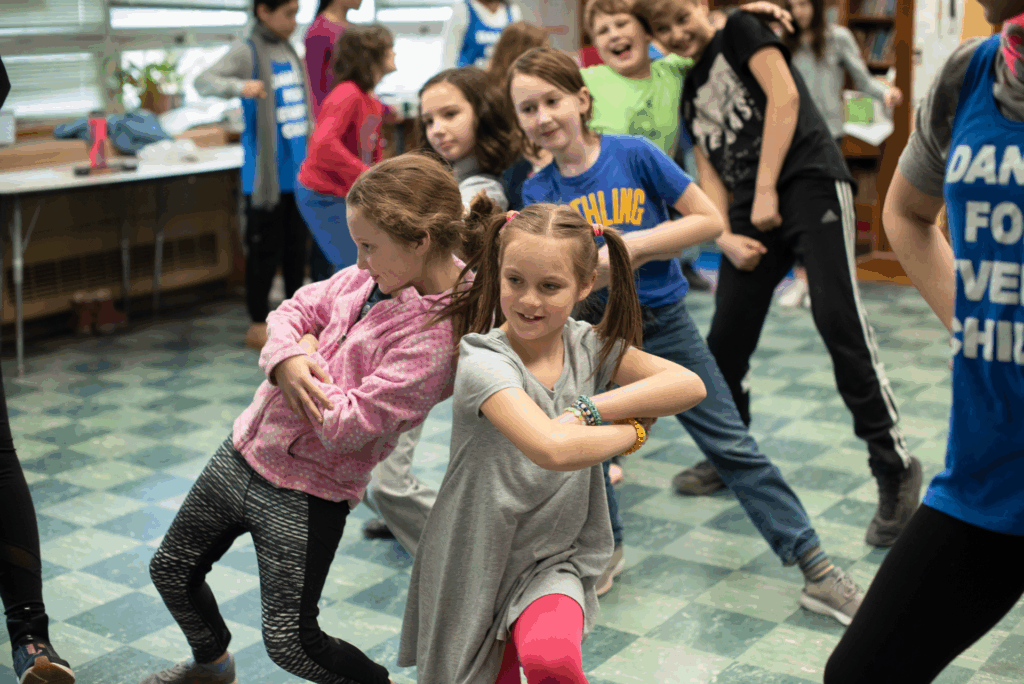
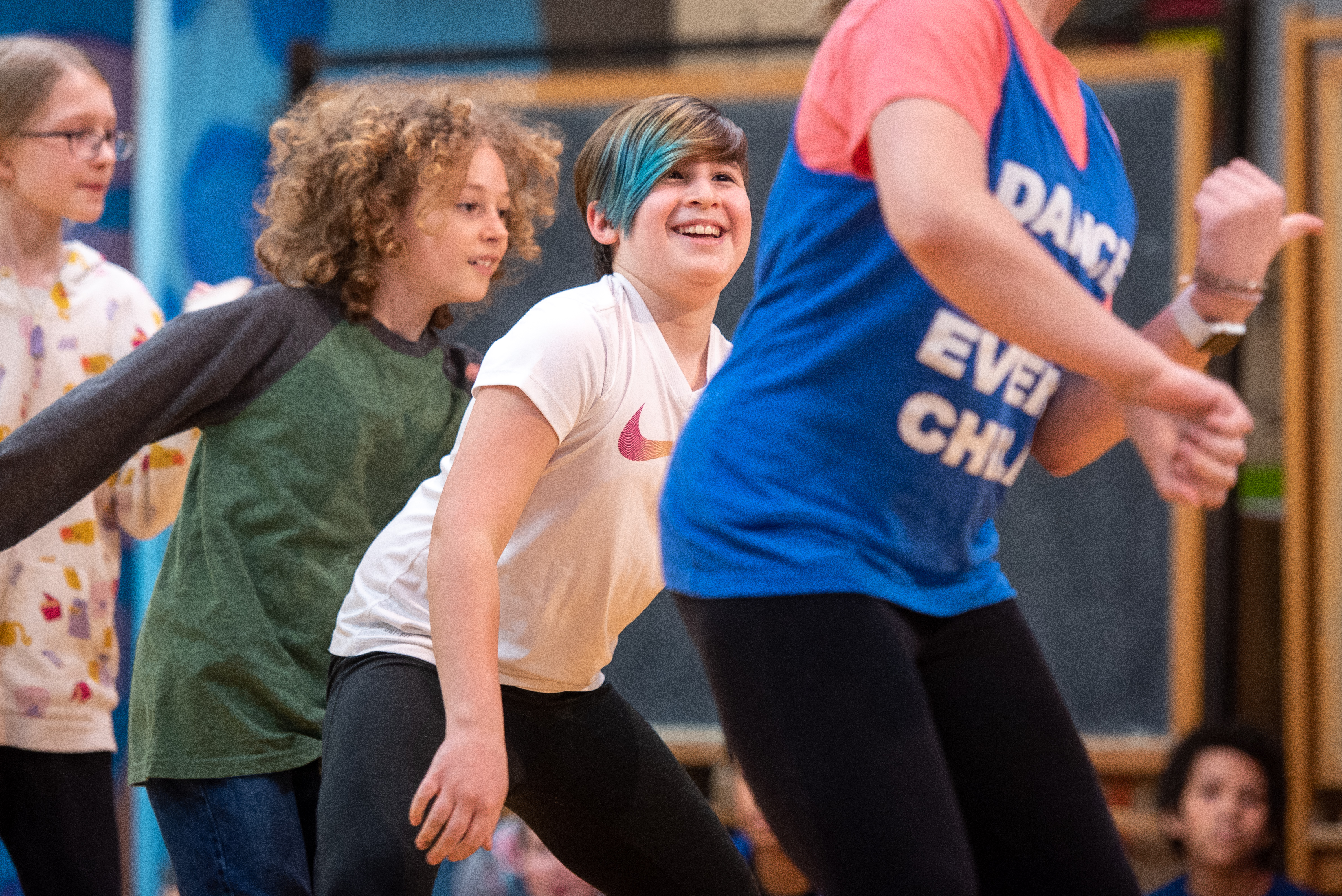
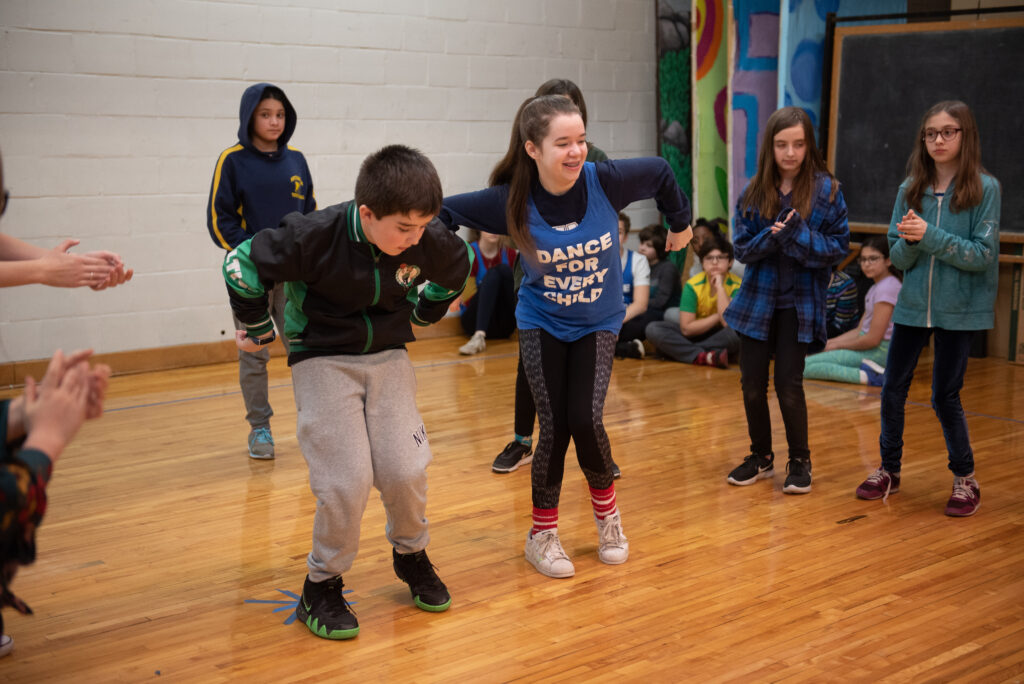
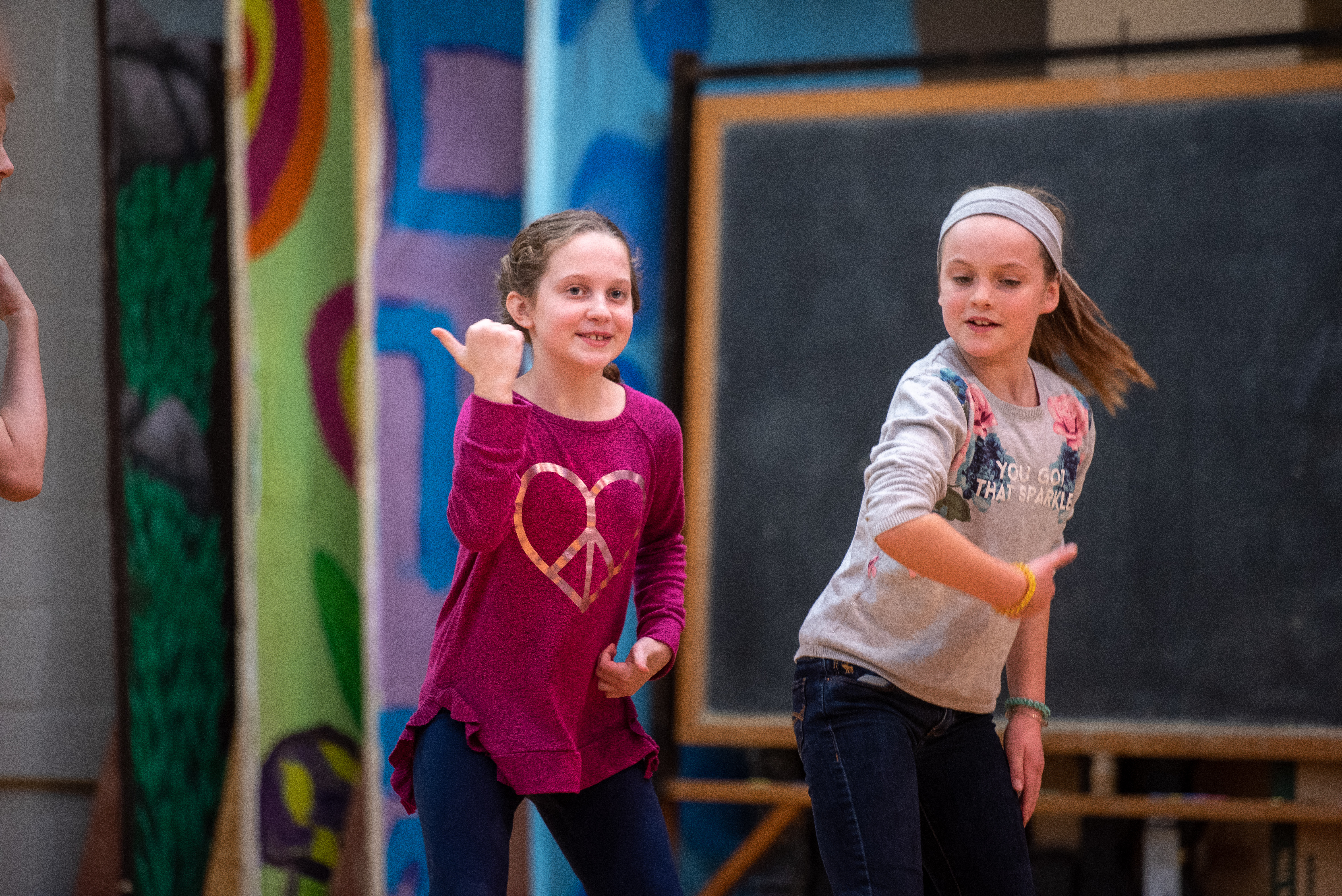
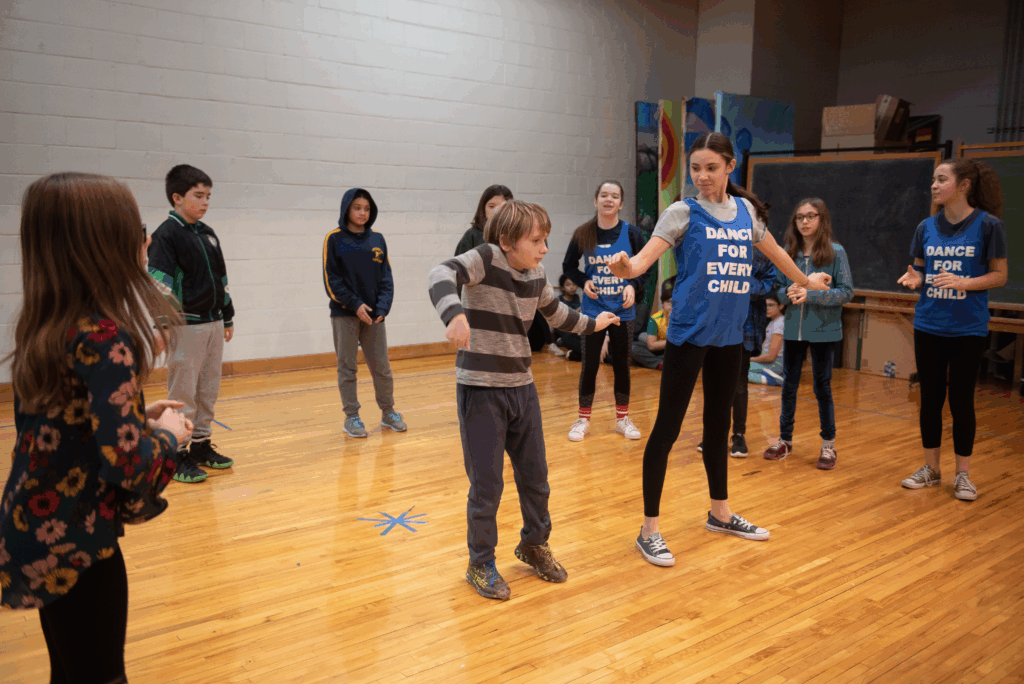
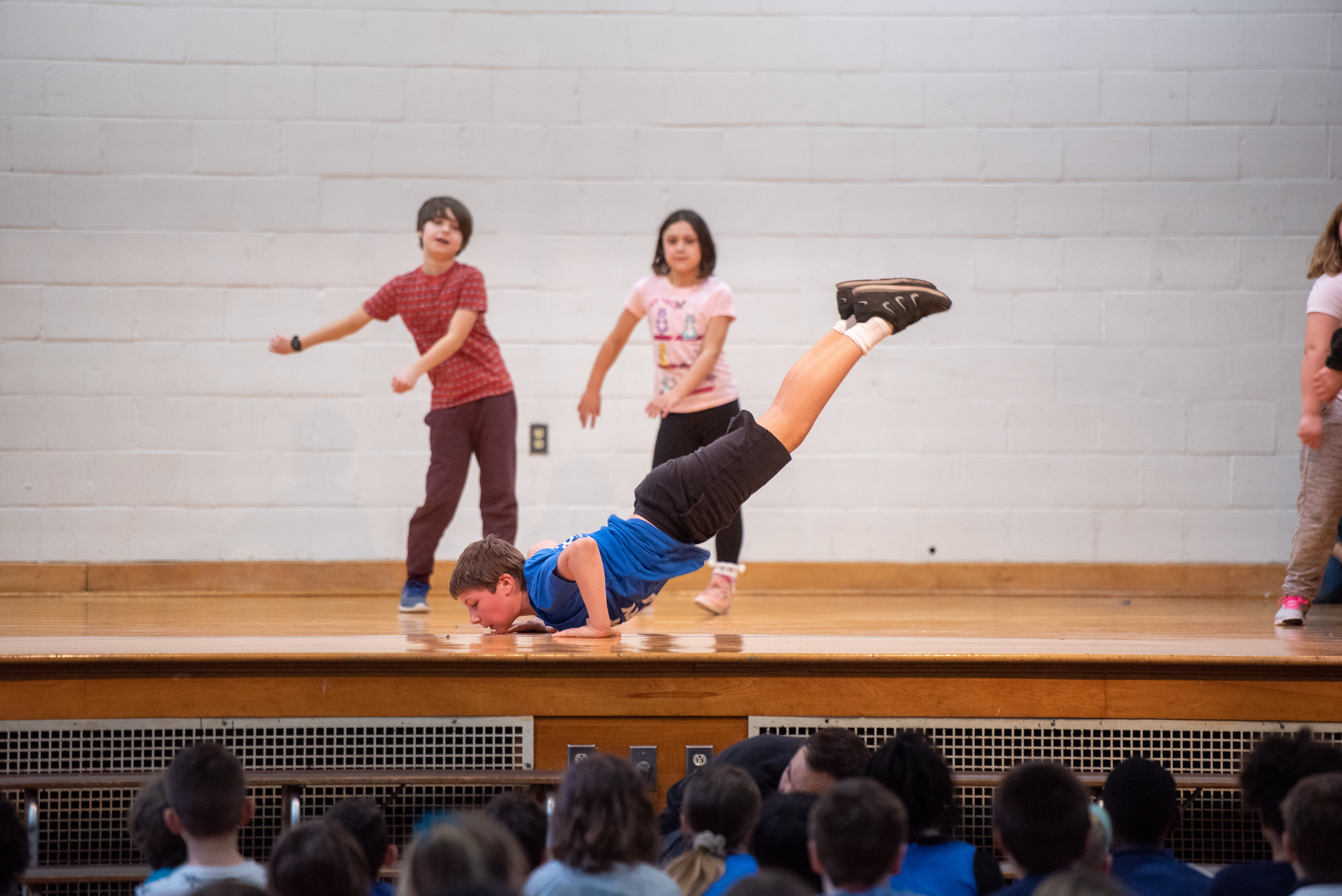
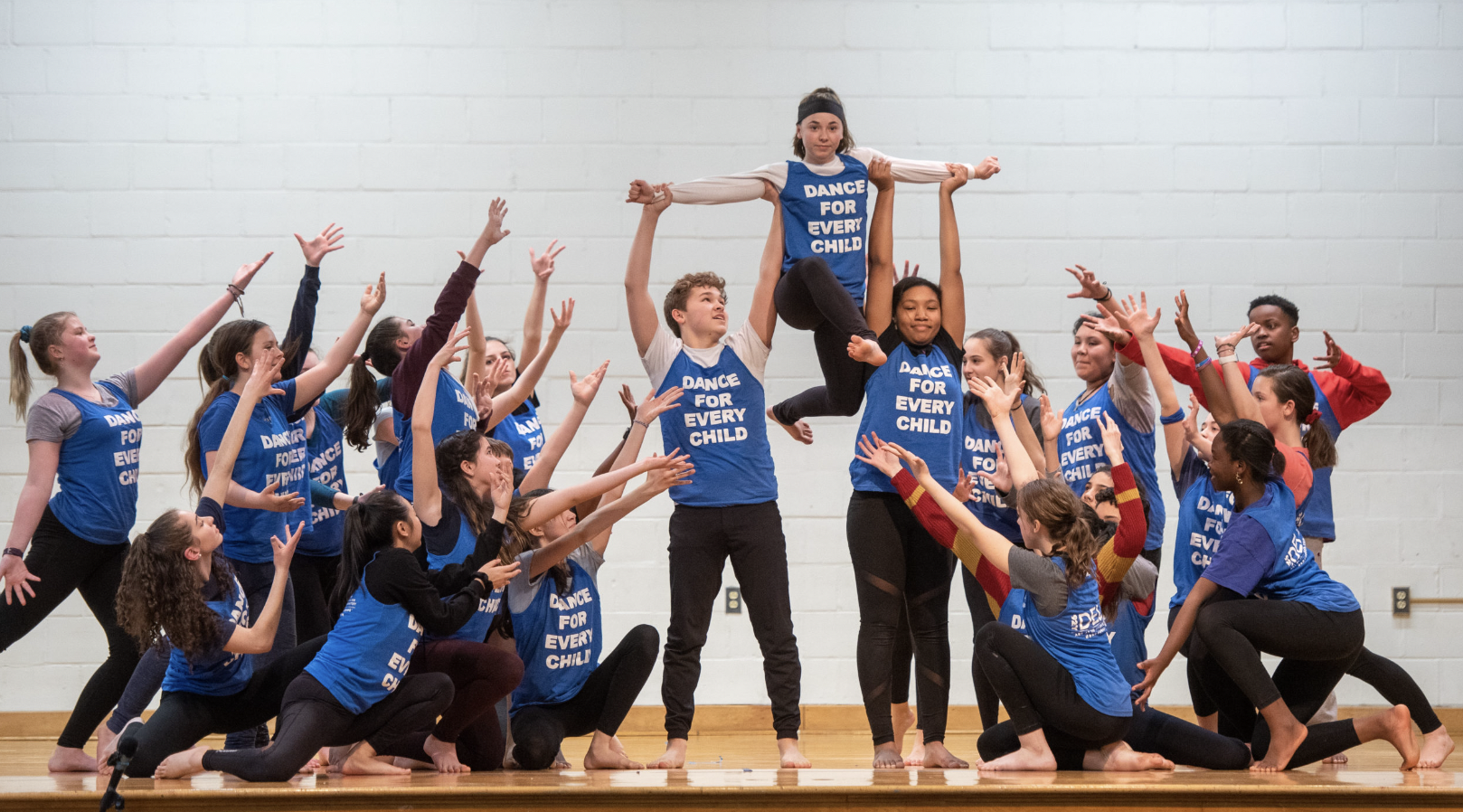
My involvement with the Dance Education Laboratory (DEL) reflects a vital extension of my scholarly research in pedagogy, cultural preservation, and youth centered dance education. Along with DEL’s movement based approach, I have developed culturally responsive curricula that center Street and Club dance form as essential content in K-12 dance education. Drawing on years of experience teaching at the Pioneer Valley Performing Arts Charter Public School (PVPA), I created the ABC’s of Hip-Hop curriculum, which integrates historical, political, and cultural knowledge into movement practices and is now used as a foundational resource in DEL programs.
In this work, I collaborate with public school educators across the country, leading professional development training that models how to teach these dance forms with cultural integrity and age appropriate strategies. Teachers engage deeply with my pedagogy, often requesting me specifically to lead sessions, and consistently express how transformative the process is for their own practice. These workshops culminate in educators submitting their own lesson plans, which I review and provide individualized feedback on. This establishes a two way exchange of learning that mirrors the ethos of co- research and co-creation that underpins my broader work.
The DEL model’s emphasis on improvisation, embodied history, and student voice aligns closely with the philosophies behind Street and Club dance forms. By merging DEL frameworks with my own choreographic and cultural expertise, I guide educators and young dancers to discover the social and expressive roots of these forms while building leadership, creativity, and critical thinking. This approach equips students to find their voice in dance and deepens their understanding of the larger cultural systems they are moving within.
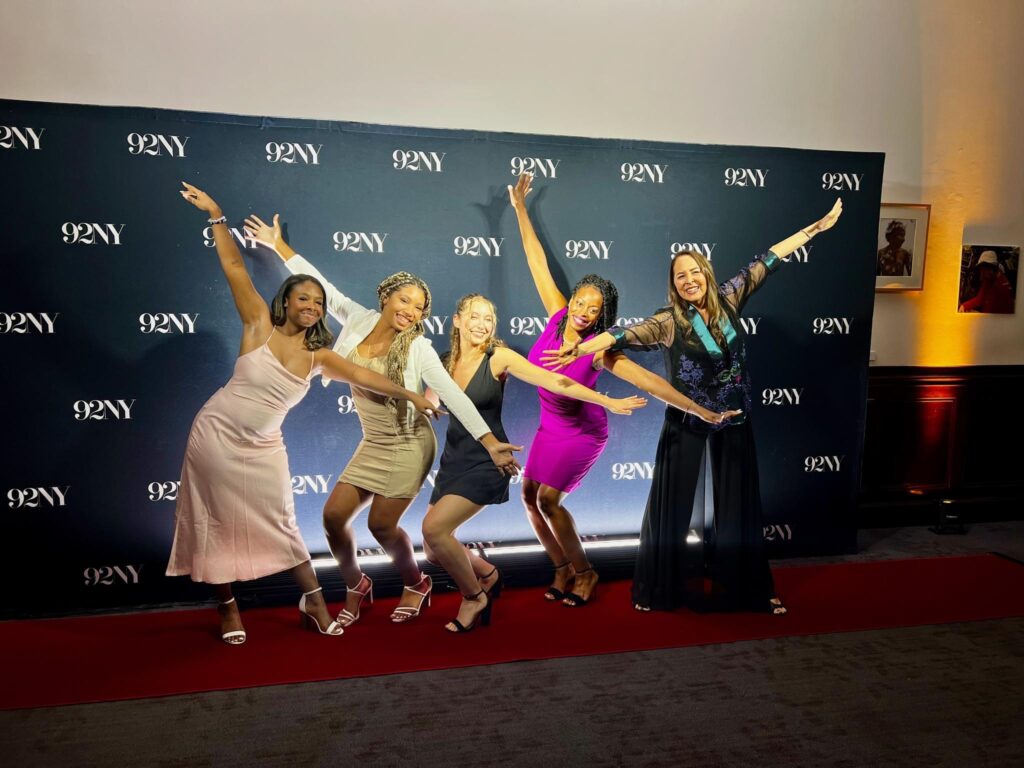
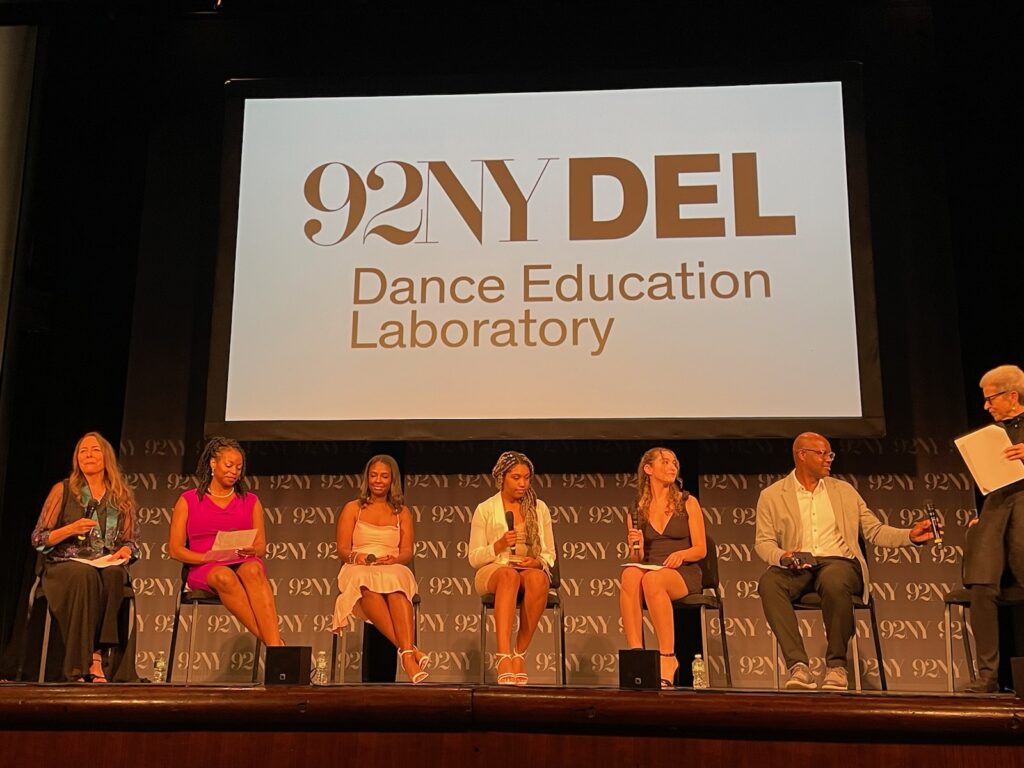
The significance of this work has been recognized nationally, most recently in a documentary film that highlights my DEL work in schools. At the film’s premiere, I was invited to speak about my curriculum development and how this pedagogy shapes student learning, artistic voice, and cultural understanding. This is integral to my scholarship because it generates new pedagogical frameworks, cultivates cultural literacy, and actively shapes how Street and Club dance forms are taught, understood, and sustained in educational systems. Through curriculum design, educator training, and the application of research-informed pedagogy, I contribute to the national discourse on dance education, expanding how Black social dance forms are taught, valued, and sustained in formal learning environments.
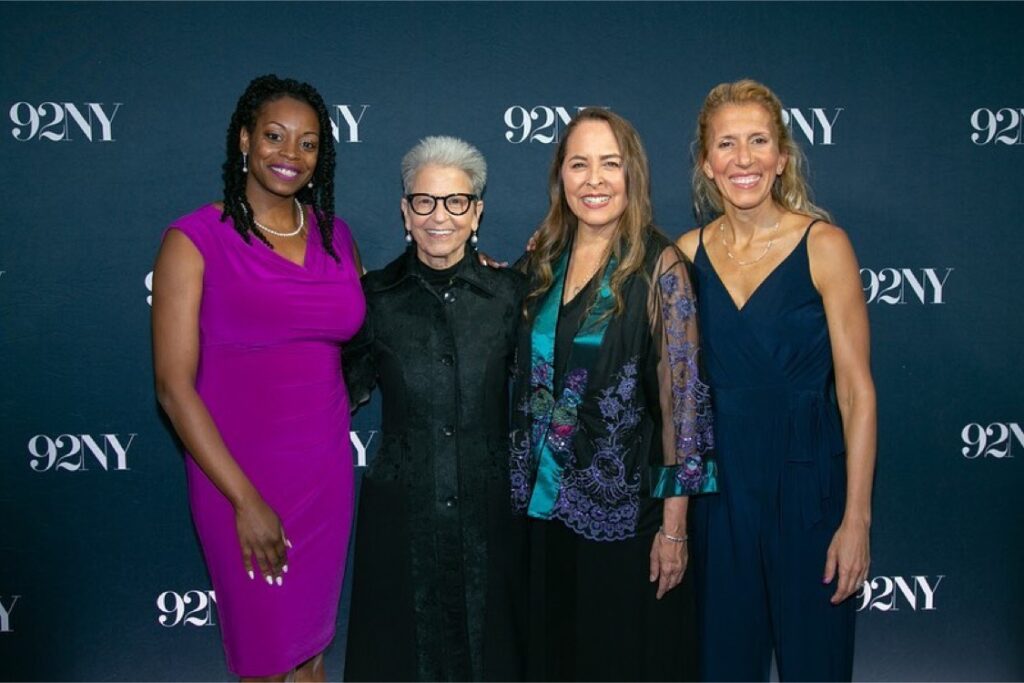
Founded by Jody Gottfied Arnhold with Joan Finkelstein as Founding Director and Ann Biddle as Founding Faculty in 1995 at the 92nd Street Y, the Dance Education Laboratory has provided a welcoming and inclusive community that nurtures and supports professional learning across the lifespan. DEL’s comprehensive curriculum equips dance educators with the tools they need to succeed in the dance classroom. See the team here.
Courses Taught through DEL
I serve as a faculty member for the Dance Education Laboratory (DEL), where I contribute to the development of core content for DEL’s curriculum and facilitate professional development workshops for educators in the New York City public school system. My work supports DEL’s mission to provide culturally responsive and accessible dance education that is grounded in community and artistic integrity.
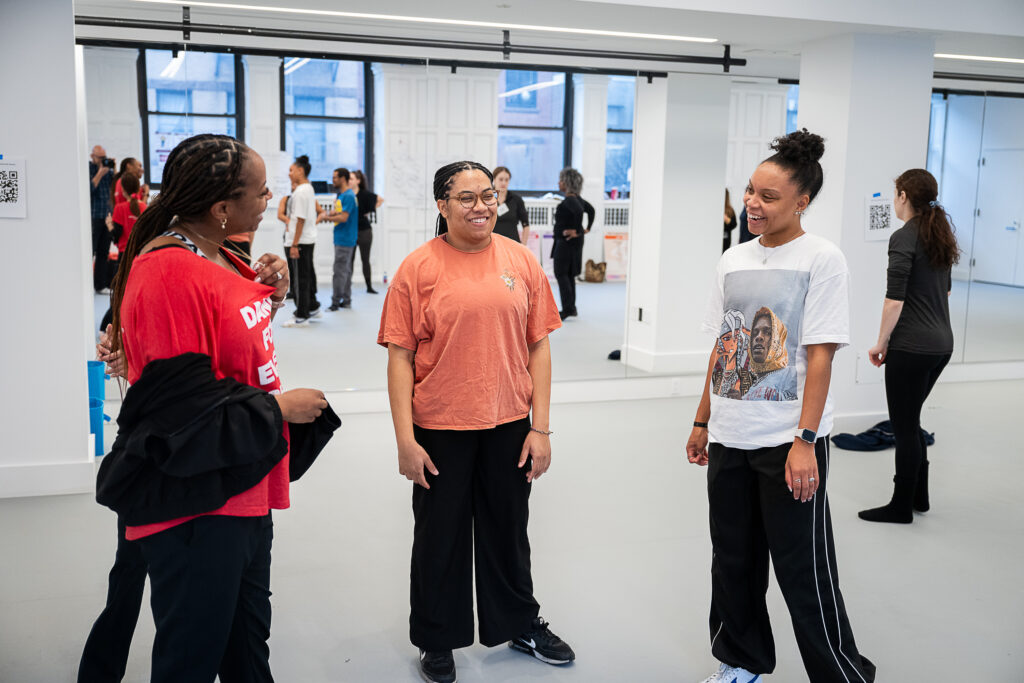
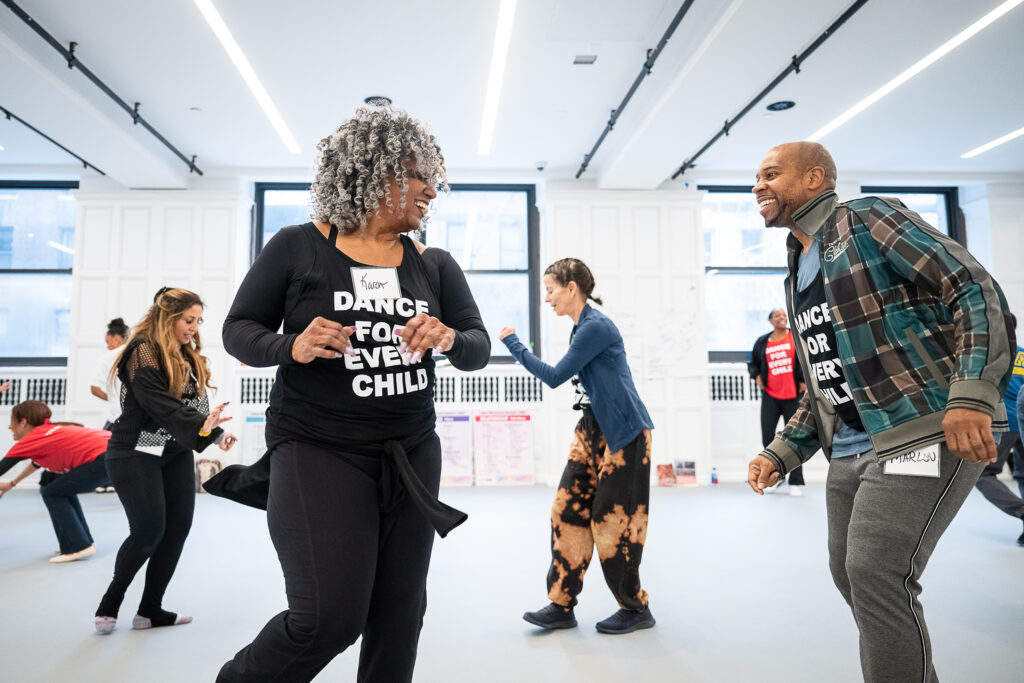
Universal House
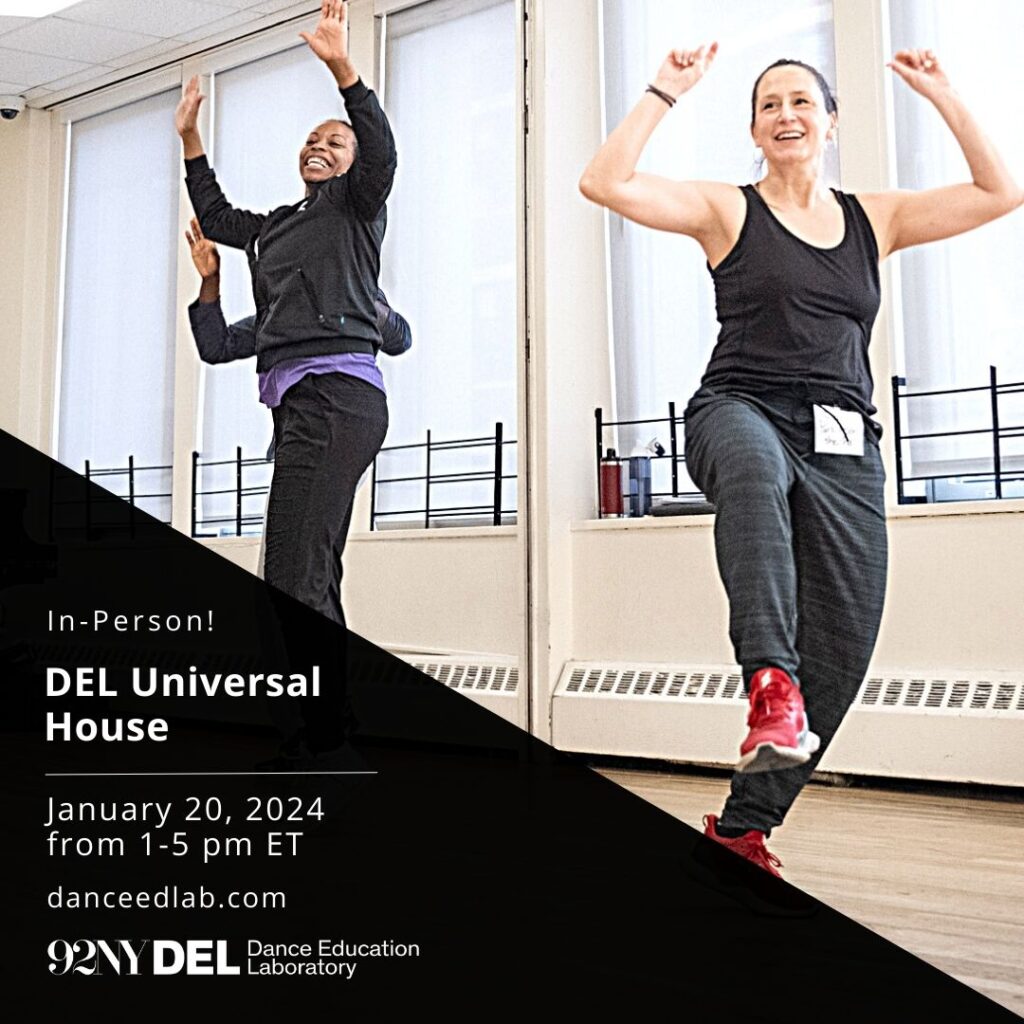
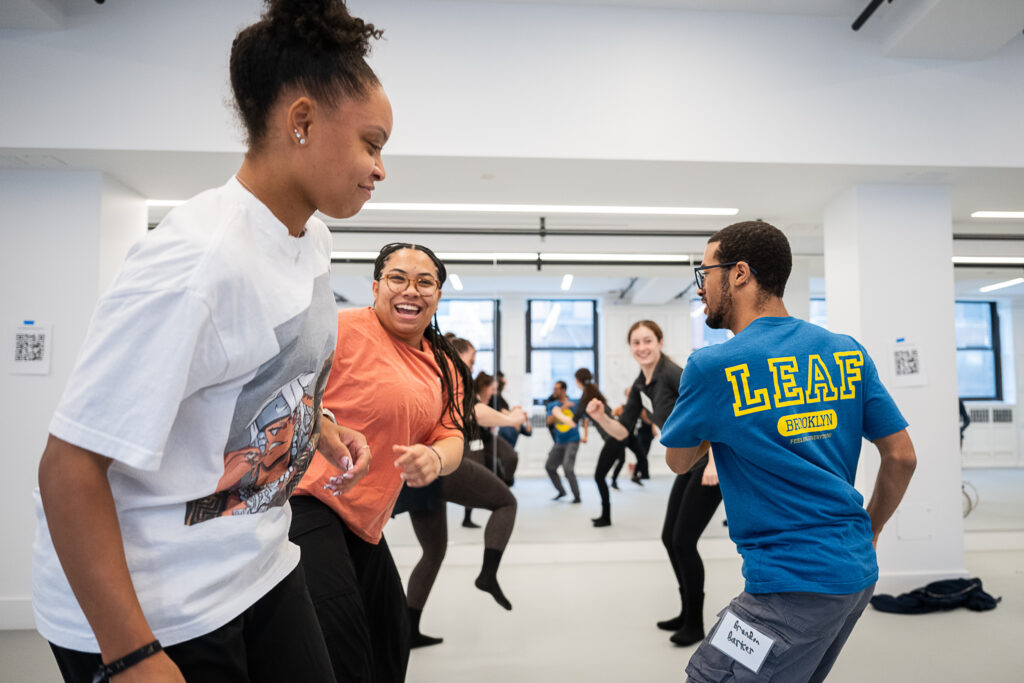
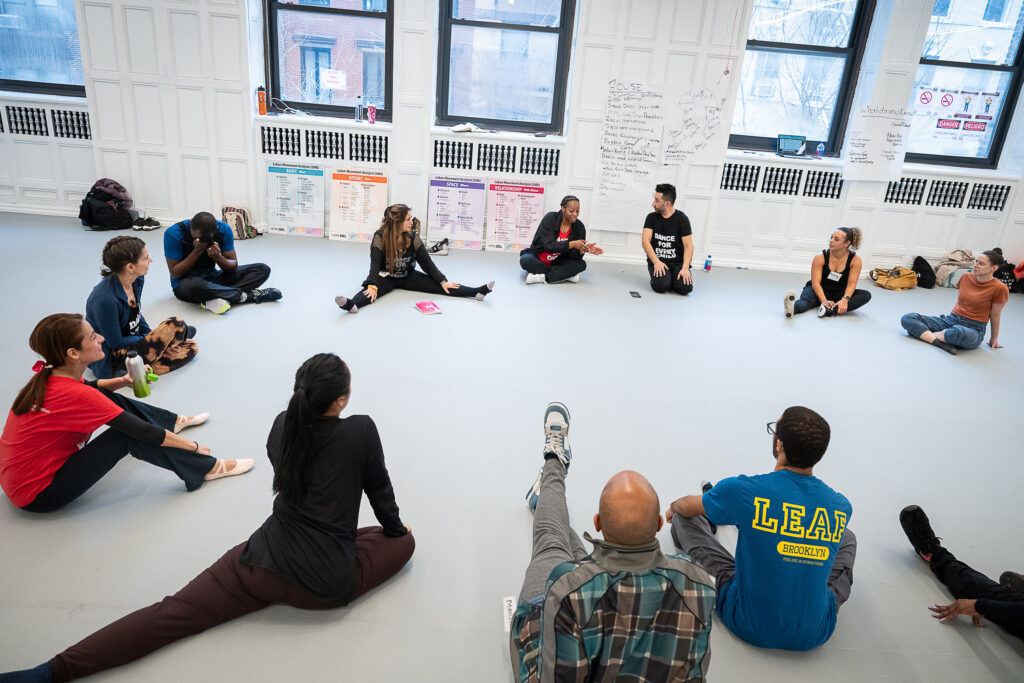
Universal House was a professional development training I created in collaboration with the Dance Education Laboratory (DEL) at the 92nd Street Y. This workshop invited K-12 dance educators to engage deeply with the history, vocabulary, and culture of House dance. The course emphasized House as both a communal practice and a personal journey, using embodied learning and reflection as central methods to explore the form’s roots in Black and queer communities and its broader cultural impact.
Educators engaged in movement exploration, group dialogue, and curriculum development, with a special session led by legendary House dancer Terry “Brooklyn Terry” Wright, grounding the experience in the lineage of the form. Participants were encouraged to draw connections between their own identities and the social, cultural, and expressive elements of House, aligning with my ongoing research into how Street and Club dances carry embodied knowledge, cultural memory, and practices of resistance and healing. Universal House exemplifies how my scholarship lives in multiple spaces: research, community engagement, pedagogy, and performance. It created a platform for educators to consider House dance not just as a technique, but as a cultural force that can shape curriculum, identity development, and classroom community. This reflects my commitment to honoring and preserving the legacy of Street and Club dance by bridging research and pedagogy in ways that empower educators to pass on the form’s cultural depth, history, and spirit to the next generation.
Hip-Hop Stories
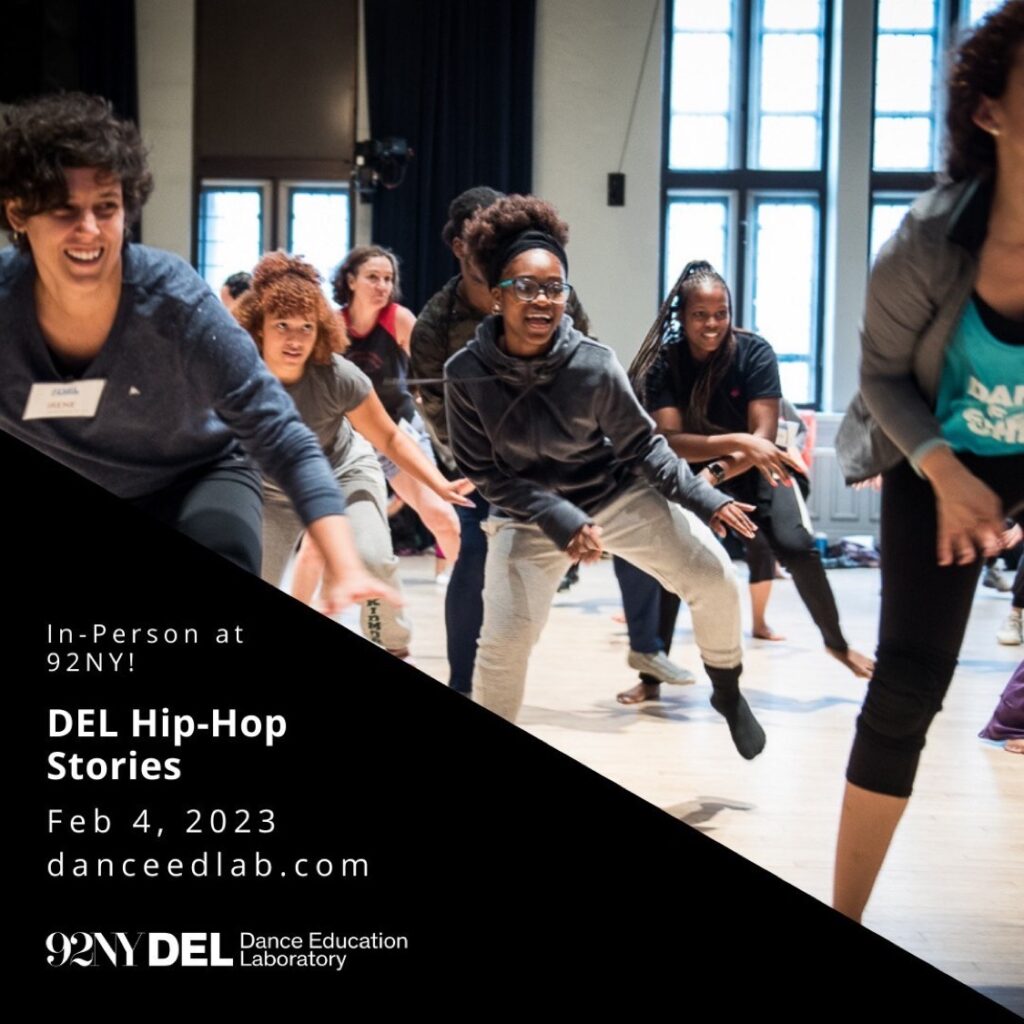
Hip-Hop Stories is a course I co-created with Eli Kababa for the Dance Education Laboratory (DEL). Rooted in the cipher as a site of creativity, expression, and cultural knowledge, this 6-hour in-person course invites educators to investigate the deeper meaning of the circle, not just as a space for movement, but as a powerful site of storytelling, identity, and lived experience.
The workshop centers Hip-Hop as a vehicle for personal and communal narrative making. Through movement exploration, collaborative dance making, and group reflection, participants tap into the soul of Hip-Hop, using the form as a vessel to honor their truths, uplift community narratives, and stay rooted in the culture’s legacy of storytelling and self-expression. The course highlights the artistic and cultural contributions of pioneers like Rennie Harris, whose work exemplifies how Hip-Hop can translate life stories into powerful choreographic expression.
Participants leave with practical tools for culturally responsive pedagogy, along with lesson plans and movement activities that bring student centered storytelling into the classroom. Hip-Hop Stories reflects my ongoing research into the cultural, historical, and expressive dimensions of African diasporic Street and Club dance, and underscores my commitment to honoring the origins of these forms while empowering educators to preserve and pass them on through curriculum and community practice. Watch an overview of the course here
Women in Street Dance
I designed and led Women of Street Dance, a professional development training course through the Dance Education Laboratory (DEL), with guest artists Ana “Rokafella” Garcia and Tatiana Desardouin. This virtual workshop invited K-12 dance educators and teaching artists to explore the cultural, social, and historical impact of women in Hip-Hop and House dance. Rooted in my research as a scholar practitioner of African diasporic movement forms, the course centered women’s voices and contributions to the field.
Participants engaged in embodied explorations of Hip-Hop and House dance techniques, improvisation practices, and curriculum building activities, while drawing from films, texts, and live dialogue with women artists actively shaping the culture today. The workshop critically examined how gender dynamics have shaped Hip-Hop history and called attention to the often unrecognized labor of women who built and continue to sustain these forms.
This work reflects my commitment to cultural preservation and legacy building through education, ensuring that students and educators engage with Street and Club dance as both an artistic practice and a site of social knowledge. *Additional information can be found here.
Hip-Hop to the Top Part 2: Return of the Cypher
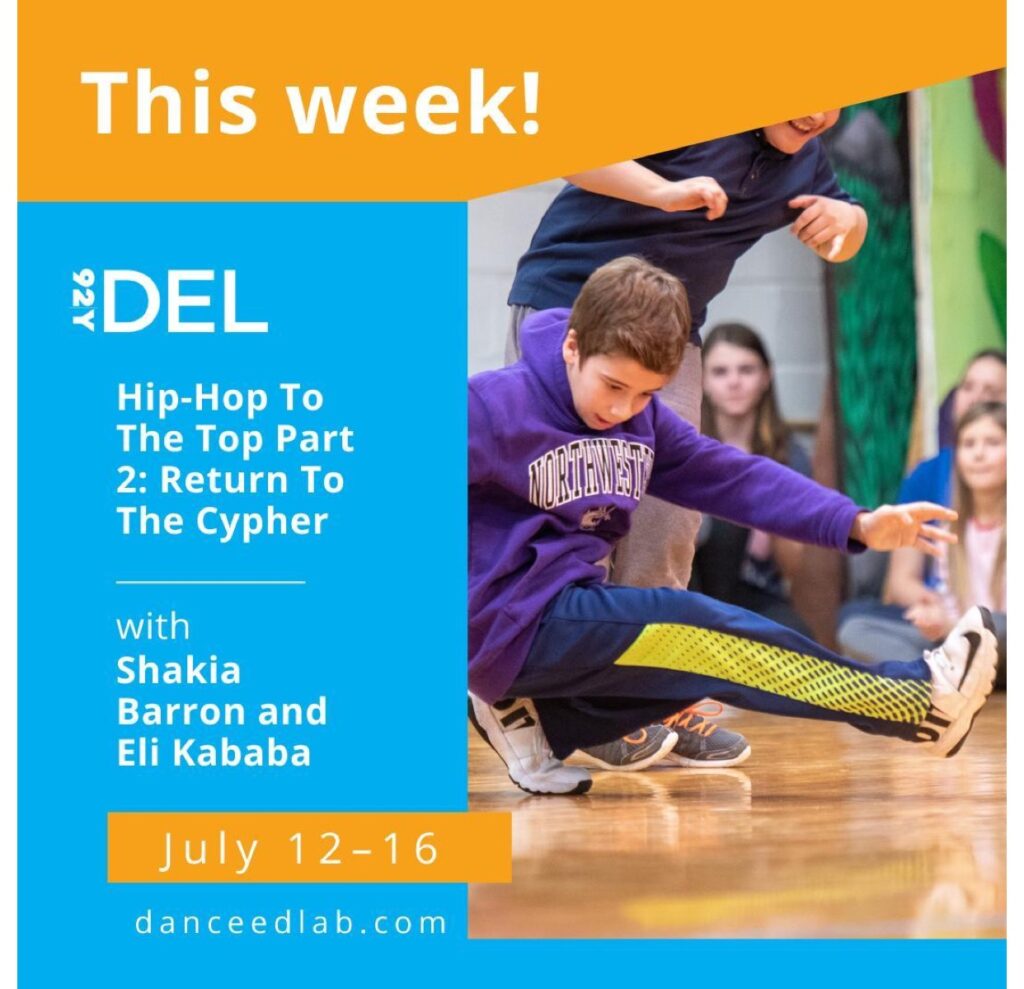
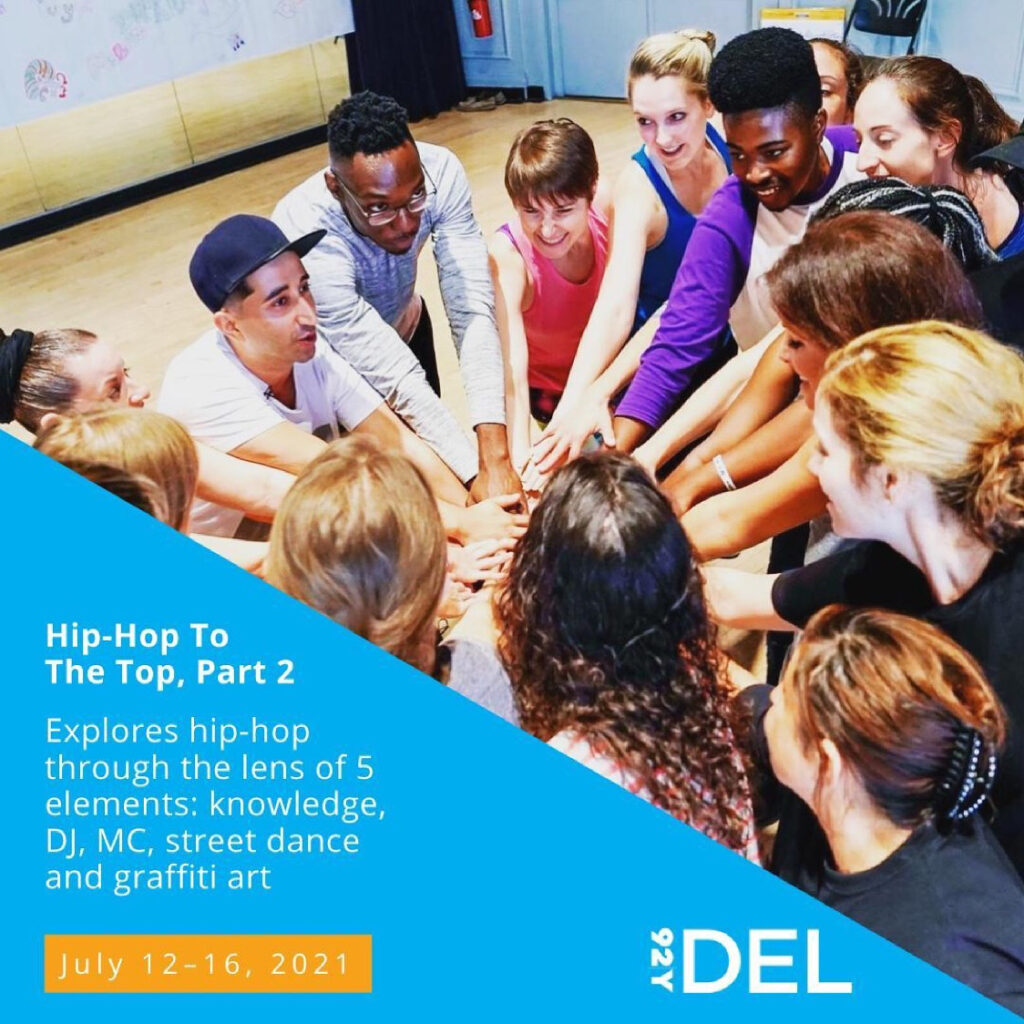
Return to the Cypher was an immersive weeklong course designed to deepen dance educators’ and artists’ understanding of Hip-Hop culture through its five foundational elements: Knowledge, Deejay (DJ), Emcee (MC), Street Dance, and Graffiti Art. Framed by a culturally responsive pedagogy, the course explored each element as a pathway for creative self expression, historical inquiry, and community building in educational settings.
Participants engaged in daily hip-hop warm-ups, reflected on a “thought of the day” rooted in cultural wisdom, and embodied each element as a process of discovering and honoring individual and shared stories. Special guest artists Ana “Rokafella” Garcia and Lady Pink joined the course to share their lived experiences and creative processes, offering tools for educators to bring authentic, multidimensional Hip-Hop learning into the classroom.
By tracing each element from its African diasporic and historical origins to its present-day global influence, Return to the Cypher situated Hip-Hop as more than just an art form, it revealed it as a living, breathing culture of resistance, innovation, and storytelling. The course culminated in a virtual jam session that brought together the five elements in a collective creative expression, reflecting the spirit of the cypher as a sacred communal space for growth, exchange, and legacy building. *To read about some of the students reflections click here.
Hip-Hop to the Top
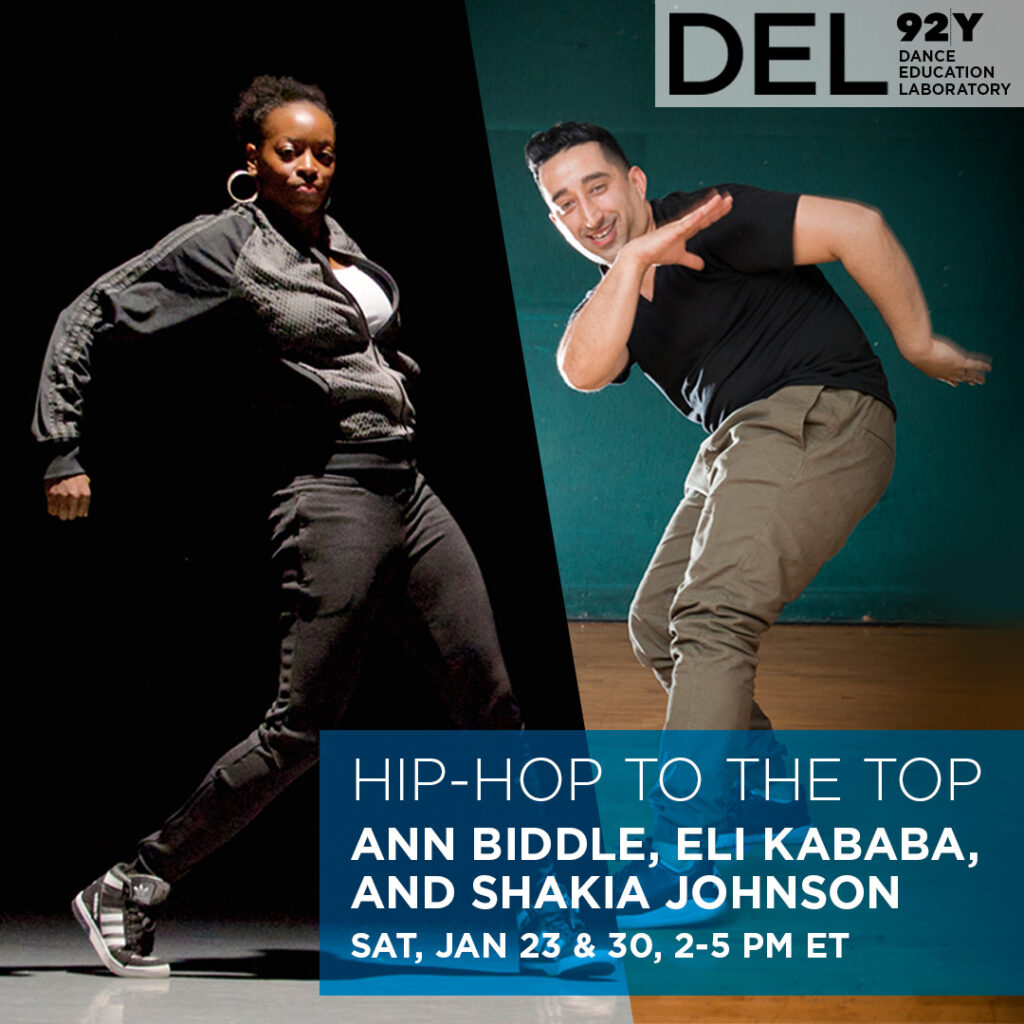
Hip-Hop to the Top is a course I co-created with Eli Kababa, and Ann Biddle to support educators in building culturally responsive, standards-aligned dance curriculum rooted in the rich history and values of Hip-Hop culture. Grounded in my ongoing research as a scholar of African diasporic social dance, this course invited participants to explore the foundational pillars of Hip-Hop, and connect them to educational frameworks, as well as national and New York State dance standards.
Through collaborative activities, independent work, and group discussions, participants engaged with Hip-Hop’s diverse movement vocabulary while developing strategies to create inclusive, age-appropriate lesson plans. Emphasis was placed on understanding Hip-Hop as more than a technique: as a global culture, a community builder, and a tool for student empowerment.
Hip-Hop to the Top exemplifies my commitment to honoring the roots of Street and Club dance by equipping educators with tools to teach Hip-Hop with depth, context, and care. It supports the preservation of the form by passing on its knowledge to the next generation through a curriculum that centers cultural relevance, community values, and student voice.
The ABC’s of Hip-Hop
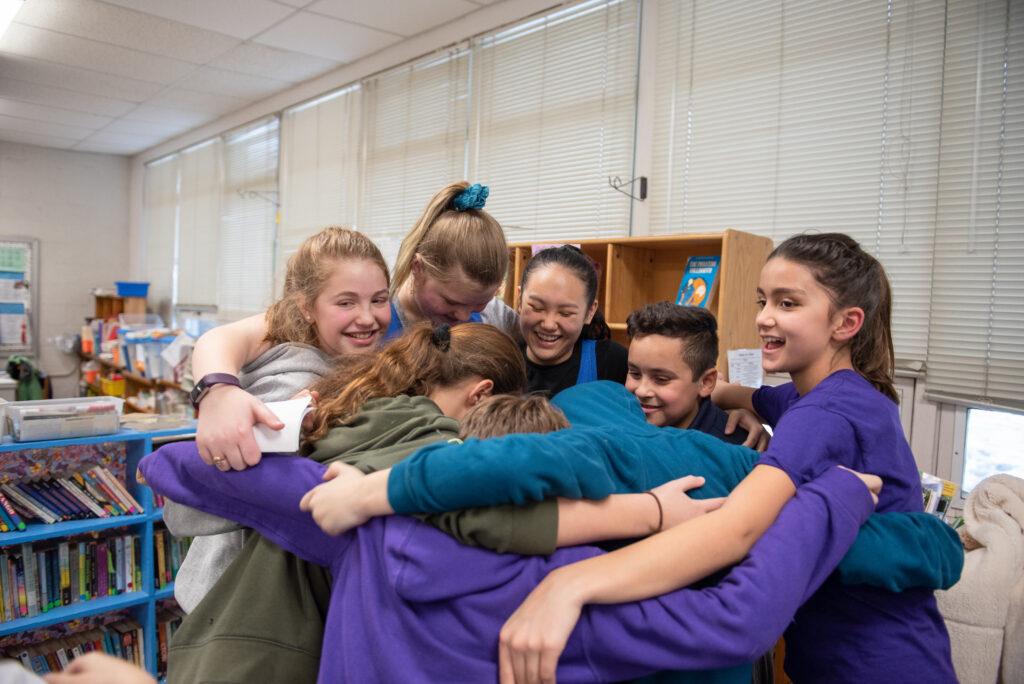
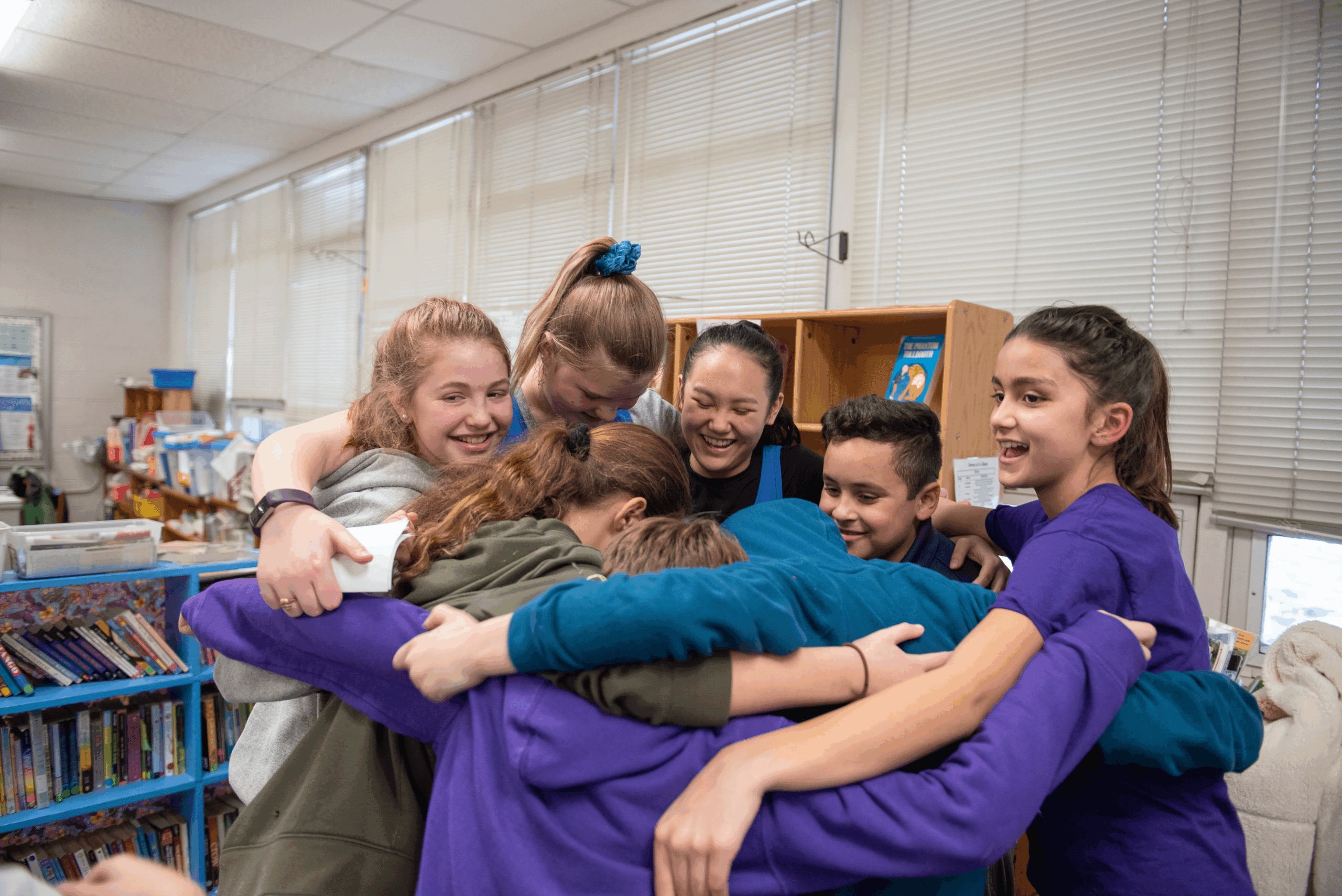
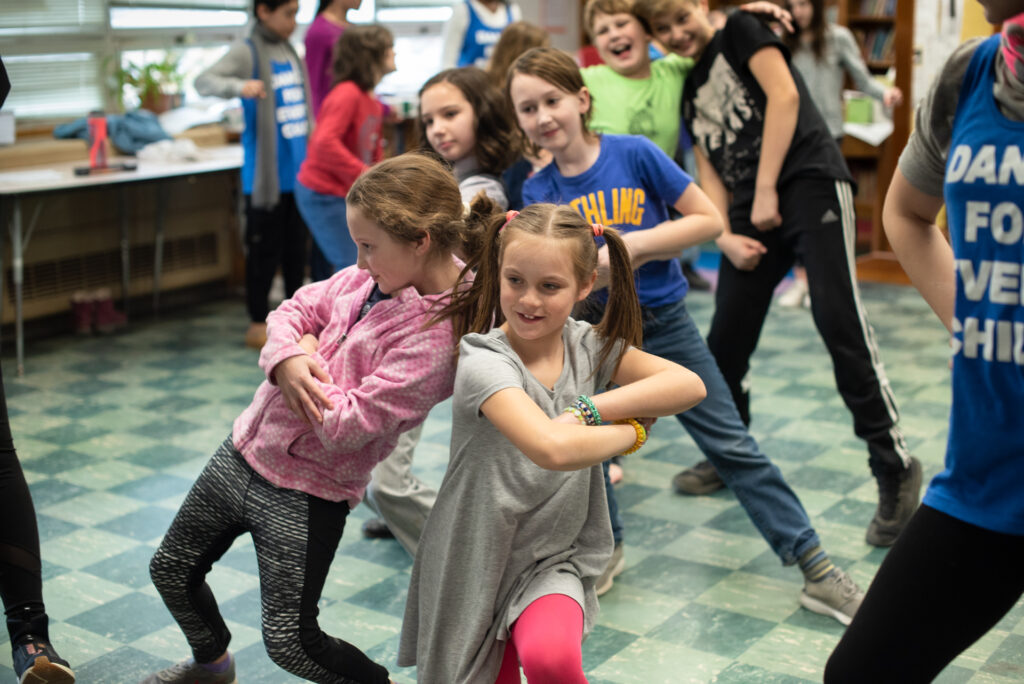
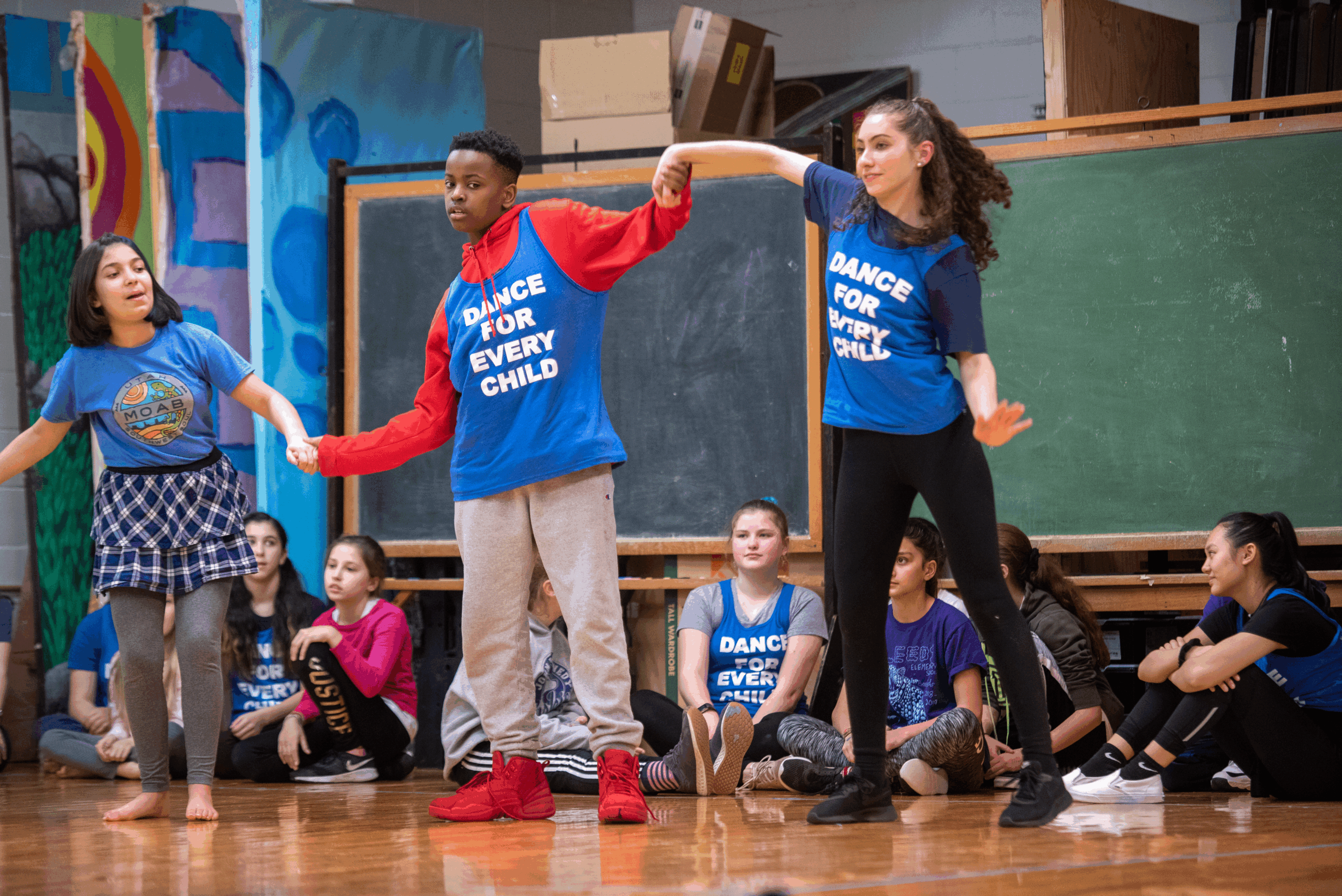
The ABC’s of Hip-Hop was a unit I created for PVPA’s(Pioneer Valley Performing Arts School) Dance Mentoring Program, an initiative founded by Ann Biddle in 2011. The program trains middle and high school dancers in the Dance Education Laboratory (DEL) model and empowers them to teach dance workshops to local elementary school students.
As part of the Dance Education Laboratory (DEL) Essentials program, I created and taught ABC’s of Hip-Hop, a comprehensive, culturally responsive curriculum. This unit bridged movement practice with historical, cultural, and social inquiry, providing students with a holistic understanding of Hip-Hop culture and its deep roots in the Black community. Students explored choreography and freestyle through daily warm-ups, foundational technique, and structured “cypher circles” that fostered improvisation, confidence, and peer support. Lessons were enriched with mini history sessions, multimedia resources, and open discussions about cultural appropriation, authenticity, and the contributions of Hip-Hop pioneers. The ABC’s of Hip-Hop continues to serve as a dynamic model for using dance to build cultural awareness, confidence, and voice in the next generation of movers.